Night junior high when a child is already 15 and has not finished compulsory school
夜間中学(中学校夜間学級)と、15歳を過ぎてから来た場合
- Applies to
- All of Japan
- Source last checked
- , Open the Japanese source
- Official source
- 夜間中学の設置促進・充実について(文部科学省)
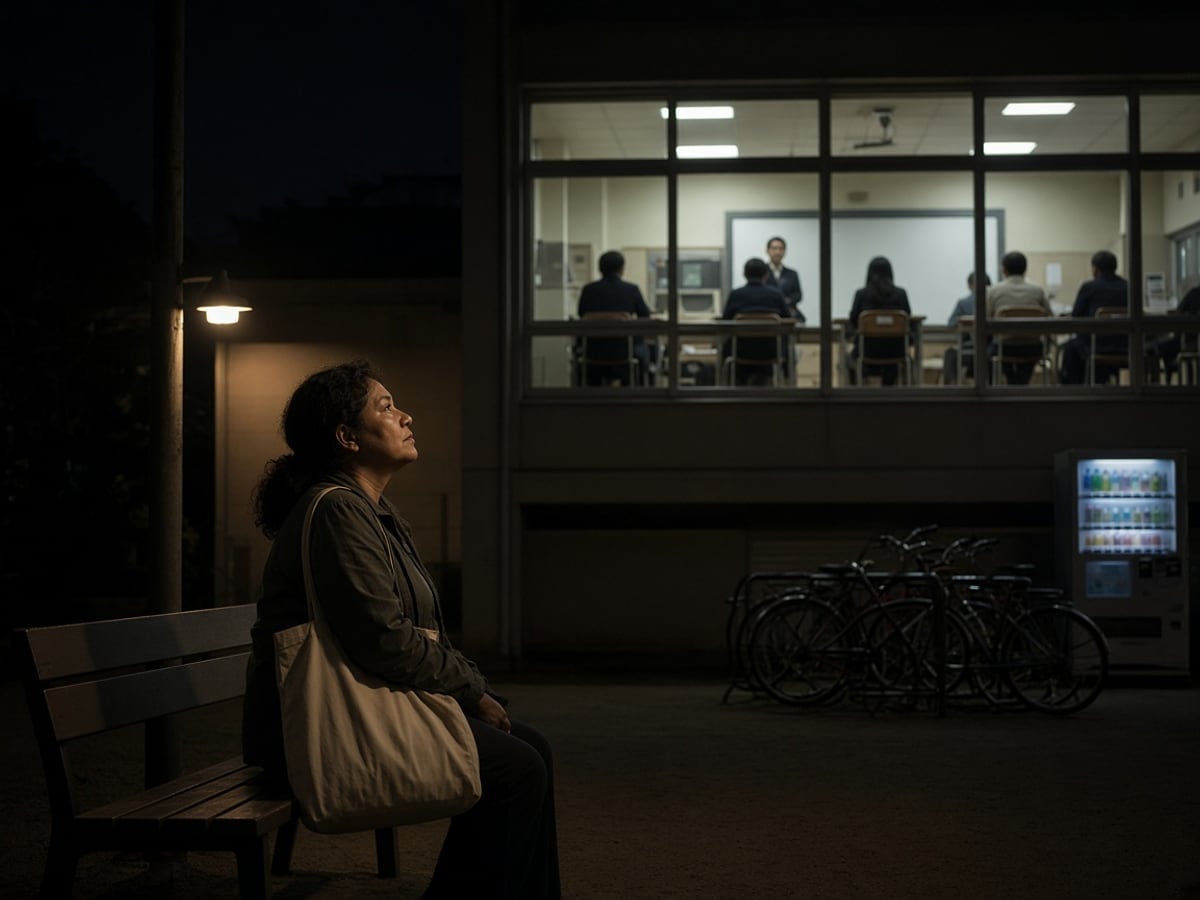
Night junior high (夜間中学, yakan chūgaku) is a public junior high that teaches in the evening or at another special time. The Ministry of Education's page says:
夜間中学とは、市町村や都道府県が設置する中学校において、夜の時間帯等に授業が行われる公立中学校のことをいいます。
The same page says that, as it stands, these classes are in 44 prefectures and designated cities, 69 schools, and that the Ministry wants at least one in every prefecture and designated city. It does not say a child will be given a seat, and it does not print a fee.
A family whose child arrives after the usual junior-high age uses this when a daytime junior high is no longer the route the local board describes. The rules below are the pages that were open. Tokyo's rules are Tokyo's. The Kanagawa schools are named so you know whom to call. Their admission rules are what those schools say when you call.
Where they are
The Ministry's list includes three public night classes in Kanagawa:
| City | School | Phone on the list |
|---|---|---|
| Yokohama | Maita Junior High School (蒔田中学校, Maita) | 045-711-2231 |
| Kawasaki | Nishi-Nakahara Junior High School (西中原中学校, Nishi-Nakahara) | 044-777-2239 |
| Sagamihara | Ono-Minami Junior High School branch (大野南中学校分校, Ōno-Minami) | 042-705-5116 |
Tokyo's board, on a page updated 15 December 2025, lists eight night classes: Bunka (Sumida), Kojiya (Ota), Mishuku (Setagaya), Arakawa No. 9, Adachi No. 4, Futaba (Katsushika), Komatsugawa (Edogawa) and Hachioji No. 5. Schools marked with a star on that page also run a night Japanese class (夜間日本語学級). The stars on the page are Bunka, Mishuku, Adachi No. 4, Futaba and Komatsugawa. The other three are on the list without that star.
Who Tokyo says can enter
Tokyo's page is only about its own night classes. It says the class is for people who could not finish compulsory education, or who for various reasons could not learn enough at junior high. Students study the nine junior-high subjects. The people it says can enter are those who fit all of the following:
小学校、中学校を卒業していない方、または不登校などのさまざまな理由により中学校で十分に学べなかった方
They live or work in Tokyo (都内在住、または在勤). And they are 15 or older:
15歳以上
The page says there are eight schools and to consult at any time (いつでも御相談ください). It does not publish an application month, an exam, or a tuition. A child who is 15 or older, did not finish elementary or junior high, and lives or works in Tokyo is inside the sentence the board printed. A child who is still of compulsory-school age, or who lives in Yokohama, is not described by that sentence.
The Ministry list does not add an age, a test, or a fee for Maita, Nishi-Nakahara or Ono-Minami. Calling the number is how you learn whether a 16-year-old who just arrived, with no Japanese school record, is someone that school takes, and what to bring.
What a late arrival should do first
If the child is 15 or older and has not finished a junior high, start with the night class rather than assuming a daytime public junior high will place them in grade 7, 8 or 9. Neither the Ministry page nor the Tokyo page says a daytime school must refuse. They also do not say a daytime school must accept. The night class is the route those pages actually describe for someone who missed compulsory school.
In Tokyo, use the board's three lines: unfinished elementary or junior high, or not enough schooling because of school refusal or a similar reason; live or work in Tokyo; age 15 or older. Then phone a school on the list. If Japanese is the immediate need, start with a starred school, which the page says also offers night Japanese classes.
In Yokohama, Kawasaki or Sagamihara, phone the school in the table and ask what documents they want and when classes meet. Take the residence card and any school record from the previous country, translated if the school asks. The Ministry page does not require a particular translation. The school might.
A child under 15 is outside Tokyo's age line. Enrollment for compulsory-school age is the city board's ordinary school-entry procedure, which is a different article. This page does not set that procedure.
What it costs
None of the three pages states a tuition, a materials fee, or a zero fee. Ask the school before you budget. Do not treat "public junior high" as a number that has been checked.
Tokyo's page also does not say the night Japanese class is free, or that it replaces a junior-high diploma by itself. It says those schools offer Japanese classes at night, and that the night class studies the nine subjects.
What goes wrong
Using Tokyo's "15 or older" line at a Yokohama school. The line is on Tokyo's page. Maita's phone is the way to ask Yokohama.
Assuming the 69-school count means a seat. The Ministry page is a count of schools that exist, and a wish for one in every prefecture and designated city. It is not an enrollment.
Waiting for an April-only exam because high-school entry works that way. Tokyo's night-class page says to consult at any time. It does not describe a February exam. A family that arrives in October can call in October.
A child on a visa the family hopes will lead to work after high school still needs the junior-high record if a later immigration or scholarship rule asks for Japanese compulsory school. Those rules are separate pages. Finishing a night junior high is one way the scholarship page and the immigration page, in other articles, describe "finished junior high in Japan," including night junior high. Those articles quote their own pages. This one does not add a visa condition the night-school pages do not contain.
What to do now
- If you live in Tokyo and the child is 15 or older and has not finished elementary or junior high, call one of the eight schools. Use a starred school if you also need the night Japanese class.
- If you live in Yokohama, call Maita, 045-711-2231. In Kawasaki, call Nishi-Nakahara, 044-777-2239. In Sagamihara, call Ono-Minami, 042-705-5116. Ask who they accept and what to bring.
- If the child is under 15, use the city board's ordinary school-entry route instead of this list.
- Ask the school what it charges. The pages here do not say.
- Keep the diploma. Later grant and immigration rules that mention a Japanese junior high, including night junior high, ask for it. Confirm that on those pages when you get there.
Your child's dates, not the general ones
Add your child and ward. The timeline does the rest.