Home visits, parents' meetings and the one-to-one conference
家庭訪問・保護者会・個人面談
- Applies to
- All of Japan
- Source last checked
- , Open the Japanese source
- Official source
- 外国人児童生徒のための就学ガイドブック(文部科学省)
Japanese schools set aside times for parents and teachers to talk. The Ministry of Education's guidebook for foreign children describes three of them. Bullying, not wanting to go to school, and worries about the next school are topics it says you can raise. It also says you can ask for an interpreter when you need one.
Home visit
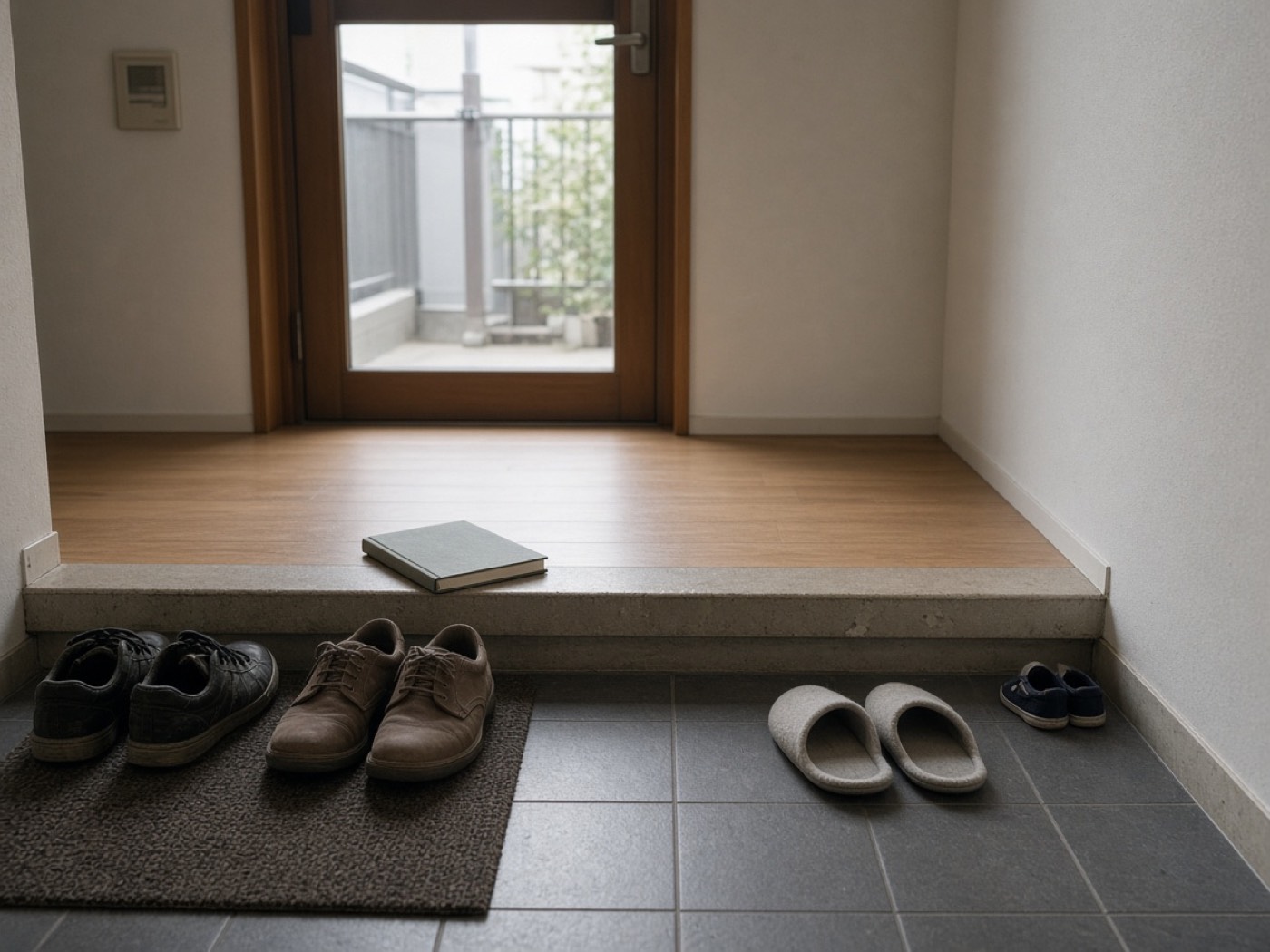
A home visit (家庭訪問, katei hōmon) is the class teacher coming to your home to talk about the child at school and at home. The guidebook says some schools do not do this. If you get a note, it is asking for a time. Reply with a slot you can do. If a visit at home is difficult, tell the teacher. The guidebook does not say a visit is required by law.
Parents' meeting
A parents' meeting (保護者会, hogosha kai) is at the school. You hear the principal, or you talk with the class teacher, mostly about the class as a whole rather than about your child alone. The paper names the date, the room and whether you need to reply.
One-to-one conference
A conference (個人面談, kojin mendan) is a talk between the class teacher and you, or the child, or all three. The teacher sends the time in advance. Some schools will move the time if you ask, and some will arrange an interpreter. This is the meeting the guidebook calls a good chance to raise a personal worry.
Reply by the date on the paper. Verify the slot with the school if the Japanese is unclear.
Your child's dates, not the general ones
Add your child and ward. The timeline does the rest.